fishing rod length guide
Fishing Rod Length Guide: A Comprehensive Overview (Updated 12/16/2025)
This guide explores selecting the ideal fishing rod length, considering casting, species, and techniques. Understanding QUERY functions in Google Sheets aids data analysis,
leveraging SELECT, AND, and OR clauses for effective results.
Understanding Fishing Rod Length Basics
Fishing rod length, measured from the butt to the tip, fundamentally impacts casting distance, accuracy, and overall fishing experience. It’s not a one-size-fits-all scenario; the optimal length depends heavily on the target species, fishing technique, and environment. Shorter rods generally offer greater control and are ideal for tight spaces, while longer rods excel at casting further and providing better line control.
The core concept revolves around leverage. A longer rod acts as a longer lever, increasing casting distance. However, this comes at the cost of maneuverability. Conversely, shorter rods sacrifice distance for precision and ease of handling. Understanding this trade-off is crucial. Furthermore, the QUERY function in Google Sheets, utilizing the Google Visualization API Query Language, mirrors this concept of tailored approaches – a specific query (length) for specific data (fishing needs).
Rod length also influences line weight capacity and sensitivity. Selecting the appropriate length is the first step towards a successful angling adventure, much like formulating the correct QUERY syntax for effective data retrieval.
How Rod Length Affects Casting Distance
Generally, longer fishing rods facilitate greater casting distances due to the increased leverage they provide. This principle operates similarly to a longer lever arm in physics – a longer rod translates to more force applied to the line with each cast. However, it’s not simply about length; rod action (fast, medium, slow) also plays a significant role. A faster action rod, even if shorter, can sometimes outperform a slower action, longer rod in distance.
The relationship isn’t linear. Doubling rod length doesn’t double casting distance. Factors like line weight, lure weight, and casting technique are equally important. Heavier lures require more robust rods, often longer, to handle the weight and generate sufficient power. Lighter lures benefit from longer rods for increased sensitivity and distance.
Consider the QUERY function in Google Sheets; a more complex query (longer rod, heavier lure) requires more processing power (casting effort) to yield results (distance). Just as optimizing a QUERY improves efficiency, refining casting technique maximizes distance potential with a given rod length.
Rod Length and Line Weight Considerations
The correlation between rod length and appropriate line weight is crucial for optimal performance and preventing rod damage. Longer rods generally require heavier line weights to effectively manage the increased leverage and potential stress during casting and fighting fish. Conversely, shorter rods often pair well with lighter lines, enhancing sensitivity and finesse.
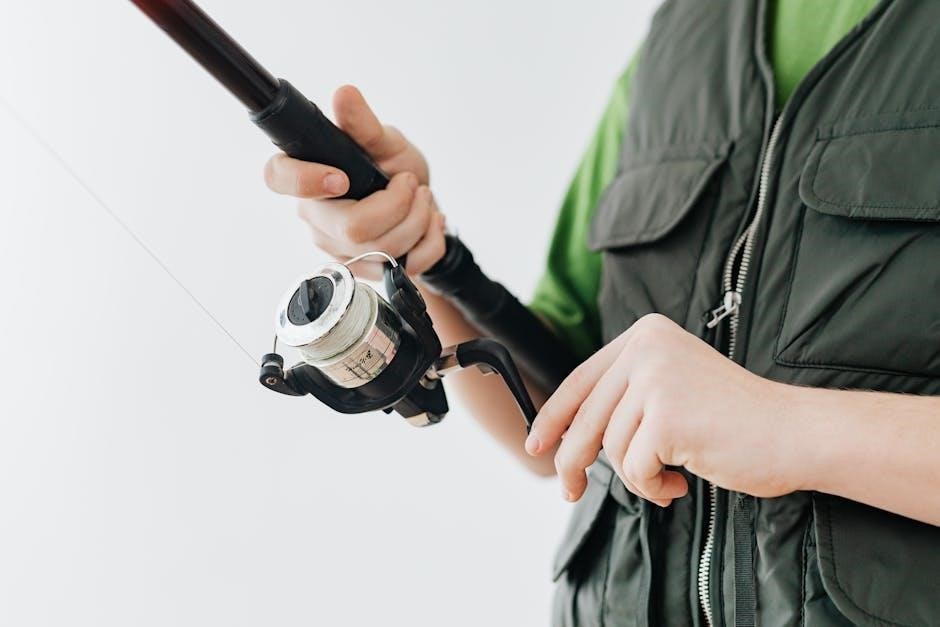
Using a line weight that’s too light for a given rod length can lead to excessive rod bend, potentially causing breakage, especially during powerful casts or when battling larger species. Conversely, an overly heavy line on a shorter, lighter-action rod can reduce casting distance and sensitivity.
Think of it like the QUERY function in Google Sheets: using the correct parameters (line weight) ensures the query (cast) executes efficiently. A mismatched query (line weight) can lead to errors or slow performance. Rod manufacturers typically provide recommended line weight ranges for each rod, serving as a valuable guideline. Always consult these recommendations and consider the target species and fishing conditions.
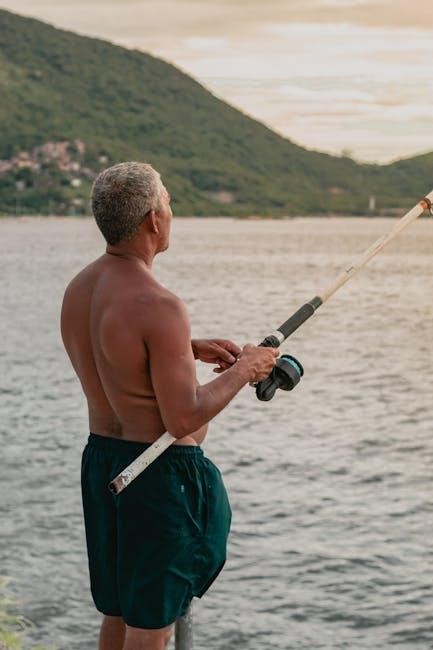
Fishing Rod Length for Different Fish Species
Selecting the appropriate rod length is heavily influenced by the target fish species. Larger, powerful fish like tuna or salmon necessitate longer rods – typically 7.5 feet or more – to provide the leverage needed for battling and controlling them. These rods also facilitate longer casts, reaching fish further offshore.
For smaller, more delicate species like trout or panfish, shorter rods (under 7 feet) are often preferred. These offer increased sensitivity, allowing anglers to detect subtle bites, and provide better control in tighter fishing environments. Think of it like the QUERY function in Google Sheets; a specific query (rod length) is needed to extract the desired data (fish).
Species inhabiting heavily vegetated areas may require longer rods to cast over obstructions and set the hook effectively. Conversely, fishing in open water allows for more flexibility in rod length choice. Understanding the fish’s size, fighting style, and typical habitat is paramount when determining the ideal rod length. Always consider these factors for a successful angling experience.
Rod Length for Specific Fishing Techniques ⎻ Baitcasting

Baitcasting techniques often demand specific rod lengths for optimal performance. Generally, baitcasting rods range from 6 to 7.5 feet, with the most common lengths falling between 6’6” and 7’0”. Shorter rods (6-6.5 feet) excel in close-quarters fishing, like in dense cover, offering enhanced accuracy and control. They’re ideal for techniques like flipping and pitching, where precise casts are crucial.
Longer baitcasting rods (7 feet and above) provide increased casting distance and leverage for hauling in larger fish. These are favored for techniques like crankbaiting and swimbaits, where covering water quickly is essential. Similar to utilizing the QUERY function in Google Sheets to refine data, rod length refines casting precision.
The choice also depends on the line weight and lure size. Heavier line and larger lures typically pair well with longer rods, while lighter setups benefit from shorter, more sensitive options. Ultimately, selecting the right baitcasting rod length hinges on the specific technique, target species, and fishing environment.
Rod Length for Specific Fishing Techniques ─ Spinning
Spinning rods offer versatility, and length selection significantly impacts technique effectiveness. Typically, spinning rods range from 6 to 8 feet, with 6’6” to 7’0” being the most popular choices. Shorter spinning rods (under 7 feet) are excellent for finesse techniques like drop-shotting and small lure presentations, providing enhanced sensitivity and control, much like using specific QUERY parameters for focused data retrieval.
Longer spinning rods (7 feet and above) excel at casting lighter lures further distances and offer greater leverage when fighting fish. They are well-suited for techniques like casting spoons, spinners, and jerkbaits. These longer lengths also aid in line management and sweeping casts.
Consider the target species and fishing environment. For panfish or trout in smaller streams, a shorter rod is ideal. For bass or pike in larger bodies of water, a longer rod provides the necessary casting distance and power. Matching rod length to lure weight and line type is crucial for optimal performance and angler comfort.
Rod Length for Specific Fishing Techniques ⎻ Fly Fishing
Fly rod length is intrinsically linked to the fly fishing technique employed and the water conditions. Unlike spinning or baitcasting, fly rod length is often described in “weight” – a measure of line weight the rod is designed to cast. Rod lengths typically range from 7’6” to 9’0”, with variations for specialized applications, similar to utilizing specific QUERY clauses to refine data selection.
Shorter fly rods (7’6” ─ 8’0”) are favored for smaller streams and tight quarters, offering greater accuracy and control for delicate presentations. Longer rods (8’6” ─ 9’0”) excel in larger rivers and open water, providing increased line speed, distance, and the ability to mend the line effectively.
Dry fly fishing often benefits from longer rods for delicate presentations and mending, while nymph fishing can be effectively performed with shorter, more sensitive rods. Steelhead and salmon fishing frequently utilizes longer, heavier-weight rods to handle larger flies and powerful fish. Matching rod length to line weight and fly size is paramount for optimal casting and presentation.
Short Rods (Under 6 Feet): Advantages and Uses
Rods under 6 feet represent a niche category, prioritizing portability and specialized techniques over all-around versatility. These compact tools excel in situations demanding precision and maneuverability, much like employing a focused QUERY function in Google Sheets to extract specific data.
A primary advantage of short rods is their ease of use in confined spaces – think heavily wooded banks, small streams, or kayak fishing where casting room is limited; They offer enhanced sensitivity, allowing anglers to detect subtle bites, making them ideal for finesse techniques like drop-shotting or small jig fishing.
Ice fishing commonly utilizes very short rods (24-36 inches) for direct contact with the fish through the ice hole. Similarly, panfish anglers often prefer shorter rods for increased control when targeting sunfish, crappie, and bluegill. While sacrificing casting distance, short rods provide a unique angling experience focused on feel and precision.
Medium Rods (6-7.5 Feet): The Versatile All-Rounders
Representing the sweet spot for many anglers, medium-length rods (6 to 7.5 feet) offer a compelling balance of casting distance, accuracy, and fish-fighting power; Much like the broad applicability of the QUERY function in Google Sheets, these rods handle a wide array of fishing scenarios effectively.
This length is exceptionally popular for bass fishing, accommodating various techniques like crankbaiting, spinnerbaiting, and Texas-rigged plastics. The moderate length provides sufficient leverage for setting the hook and controlling larger fish, while remaining manageable for all-day casting. They’re also excellent choices for walleye, pike, and trout fishing.
Medium rods excel with medium-weight lines and lures, making them adaptable to diverse conditions. Their versatility extends to both baitcasting and spinning setups. For beginners, a 7-foot medium-action rod is often recommended as a starting point, offering a forgiving and effective platform to learn the fundamentals. They truly embody the “do-it-all” approach to fishing.
Long Rods (7.5 Feet and Over): Specialized Applications
Rods exceeding 7.5 feet in length cater to specific fishing disciplines demanding extended casting range, enhanced sensitivity, or superior line control. Similar to utilizing advanced clauses like PIVOT within the Google Sheets QUERY function, these rods unlock specialized capabilities.
Surf fishing is a prime example, where longer rods (10-15 feet) are essential for launching baits beyond breaking waves. Similarly, steelhead and salmon anglers often favor 8.5 to 10-foot rods for covering vast stretches of river and effectively drifting flies or lures. Long rods also shine in situations requiring delicate presentations, such as nymph fishing for trout.
These rods typically pair with heavier line and lures, demanding more experienced handling. Their increased length provides greater leverage for battling powerful fish, but can also be physically demanding during prolonged use. While not ideal for close-quarters casting, long rods excel when distance and precision are paramount. They represent a focused approach to angling, optimized for particular environments and target species.
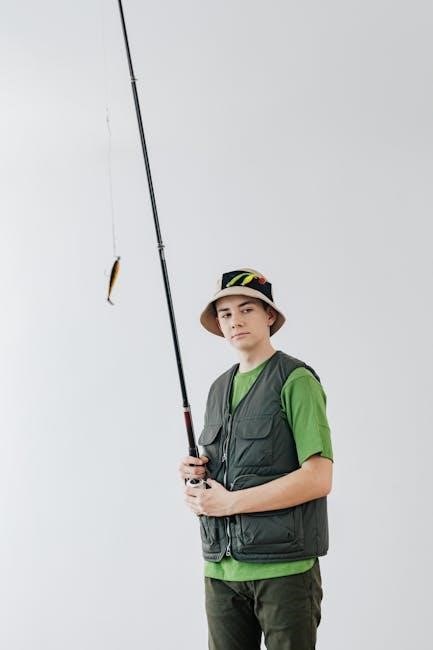
Surf Fishing Rod Length Requirements
Surf fishing demands specialized rod lengths to overcome the challenges of casting beyond the breakers and managing powerful currents. Much like employing the QUERY function in Google Sheets to extract specific data, selecting the right rod length is crucial for success.
Generally, surf rods range from 9 to 15 feet, with the most common lengths falling between 10 and 12 feet. Shorter rods (9-10 feet) offer greater casting accuracy and are suitable for calmer surf conditions or smaller beaches; Longer rods (12-15 feet) excel at maximizing casting distance, essential when targeting fish holding in deeper waters or facing strong offshore winds.
Rod power also plays a vital role; medium-heavy to heavy power rods are standard, capable of handling heavier weights and larger fish. Consider the typical weight of your sinkers and the size of the fish you’re targeting. Longer rods require more physical strength to handle, so balance length with your personal capabilities. Proper rod length selection dramatically increases your reach and effectiveness in the surf zone.
River Fishing Rod Length Recommendations
River fishing presents unique challenges demanding adaptable rod lengths, much like utilizing the QUERY function in Google Sheets requires tailored parameters for specific data retrieval. The ideal length depends heavily on river size, current speed, and target species.
For smaller, slower-moving rivers and streams, rods between 6 and 7 feet are often sufficient. These shorter lengths provide better control and accuracy when navigating tight spaces and casting under overhanging branches. Conversely, larger rivers with stronger currents necessitate longer rods, typically ranging from 7.5 to 9 feet, to improve casting distance and line control.
When targeting larger river species like salmon or steelhead, rods exceeding 9 feet are common. These longer rods offer the leverage needed to fight powerful fish in strong currents. Consider a medium-heavy power rod for versatility. Similar to using AND/OR clauses within a QUERY, balancing length and power is key. Prioritize maneuverability in confined areas and casting distance when needed.
Lake and Pond Fishing Rod Length Choices
Selecting the right rod length for lakes and ponds hinges on fishing style and target species, mirroring the precision needed when crafting a QUERY function in Google Sheets. Unlike rivers, these environments often allow for more varied techniques and rod lengths.
For general, all-around lake fishing, a 6.5 to 7.5-foot medium-action rod is an excellent choice. This length provides a good balance of casting distance, accuracy, and fish-fighting power. If you primarily fish from shore, a slightly longer rod (7.5 to 8 feet) can help you achieve greater casting distance to reach fish holding further out.
When fishing from a boat, shorter rods (6 to 7 feet) are often preferred for their maneuverability and ease of handling in confined spaces. For techniques like bass fishing with lures, a 7 to 7.5-foot rod is a popular choice. Similar to utilizing the SELECT clause in QUERY, focusing on specific techniques dictates optimal length. Consider the cover; shorter rods excel around docks and vegetation.
Kayak Fishing Rod Length Considerations
Kayak fishing presents unique challenges demanding careful rod length selection, much like constructing a precise QUERY function in Google Sheets requires thoughtful syntax. Space is limited, and casting angles can be constrained, influencing optimal length choices.
Generally, shorter rods – between 6 and 7 feet – are highly recommended for kayak fishing. These lengths offer improved maneuverability within the kayak’s cockpit and reduce the risk of snagging on the kayak itself or surrounding obstacles. A 6.5 to 7-foot rod strikes a good balance between casting distance and control.
For techniques like jigging or vertical fishing, even shorter rods (around 6 feet) can be advantageous. When targeting larger species, a slightly longer, more powerful rod (up to 7.5 feet) might be necessary, but prioritize manageability. Similar to using AND/OR clauses in QUERY, balancing power and control is key. Consider a rod with a moderate action to provide sensitivity and casting ease. Portability is also crucial; a one-piece rod may be impractical.
Ice Fishing Rod Length Guidelines
Ice fishing rod length differs significantly from open-water setups, mirroring the focused precision needed when crafting a QUERY function in Google Sheets. The confined space within a fishing shelter and the vertical presentation of baits dictate shorter rod lengths.
Typically, ice fishing rods range from 24 to 36 inches in length. Extremely short rods (24-28 inches) are ideal for fishing in tight spaces or multiple holes simultaneously. These provide excellent control and sensitivity for detecting subtle bites. A 30-32 inch rod is a versatile all-around choice for many ice fishing situations.
Longer ice rods (34-36 inches) offer increased leverage for setting the hook and fighting larger fish, but can be more cumbersome in smaller shelters. Similar to selecting appropriate data ranges in QUERY, choosing the right length depends on the specific fishing conditions and target species. Consider a rod with a sensitive tip to detect light bites, and a comfortable grip for extended use in cold weather. Portability is also a factor, as ice anglers often move frequently.
Choosing the Right Rod Length for Beginners
For novice anglers, selecting a suitable rod length can feel as complex as mastering the QUERY function in Google Sheets – but it doesn’t have to be! Starting with a versatile, medium-length rod is generally the best approach. A 6’6” to 7’ rod offers a good balance of casting distance, accuracy, and fish-fighting capability.

This length works well for a variety of species and techniques, allowing beginners to experiment without being limited. Avoid extremely short or long rods initially, as they require more specialized skills. Focus on learning fundamental casting and retrieval techniques with a rod that’s forgiving and easy to handle.
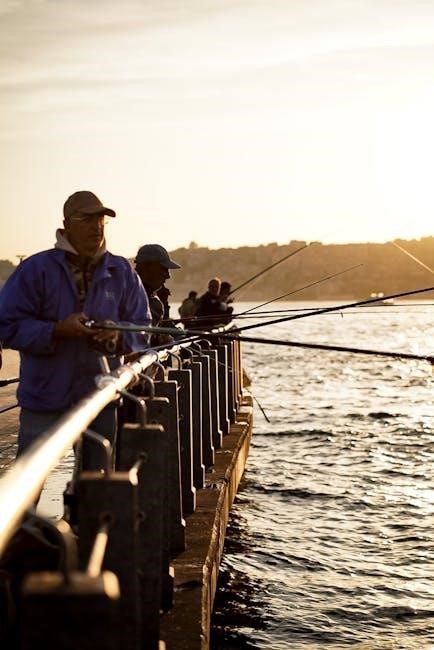
Consider a medium-power rod paired with a versatile line weight. This combination provides enough backbone to handle a range of fish sizes while maintaining sensitivity for bite detection. Just as understanding the syntax of QUERY is crucial, understanding rod power and action is key. Don’t be afraid to ask for advice at your local tackle shop – they can help you find a rod that suits your needs and local fishing conditions.
Rod Length and Portability: Travel Rods
For anglers on the move, travel rods offer a brilliant solution, much like the QUERY function in Google Sheets provides a powerful way to extract specific data. These rods are designed to break down into multiple sections, significantly reducing their overall length for easier transport.
Typically, travel rods range from 4 to 7 feet when collapsed, fitting comfortably into airline overhead compartments or car trunks. While there’s often a slight compromise in sensitivity compared to one-piece rods, modern travel rod technology minimizes this difference. Consider a four-piece or five-piece rod for optimal portability.
When choosing a travel rod, pay attention to the quality of the ferrules (the sections that connect). Secure, tight-fitting ferrules are crucial for maintaining rod action and preventing breakage. Just as careful syntax is needed for a successful QUERY, careful handling is vital for travel rods. A dedicated travel rod case is highly recommended to protect your investment during transit. Prioritize durability and a manageable packed length.